key freediving gear pitfalls that can ruin your dive
Freediving offers an exhilarating experience, allowing divers to explore the underwater world in a unique and intimate way. However, the right gear is crucial to ensure safety and enjoyment. In this article, we will discuss some key pitfalls to avoid when selecting and using your freediving equipment that can ruin your dive.
Choosing the Wrong Wetsuit
The wetsuit you choose plays a significant role in your comfort and performance underwater. Many divers make the mistake of selecting a wetsuit that is either too thick or too thin for the conditions. A wetsuit that is too thick can restrict your movement and cause overheating, while one that is too thin may leave you vulnerable to the cold, leading to hypothermia. Always consider the water temperature and your own sensitivity to cold when choosing your wetsuit. Additionally, a poorly fitted wetsuit can lead to water pooling inside, which can be distracting and uncomfortable.
Neglecting to Test Gear Before a Dive
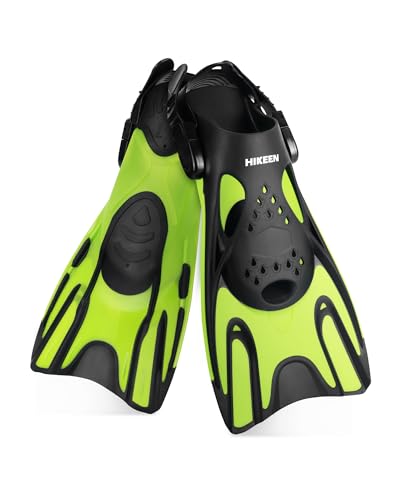
It is essential to test all of your gear before you head out for a dive. This includes checking your masks for proper fit, ensuring that your snorkel is free from obstructions, and confirming that your fins provide adequate propulsion. A common oversight is not checking the seal on your mask; a leaking mask can ruin your dive and cause frustration. Take a few moments to familiarise yourself with your gear in a controlled environment, ideally in shallow water, before embarking on deeper dives.
People Also Look For:
- KUYOU Snorkeling Gear for Adults, Dry Top Snorkel Set 180° Panoramic View Snorkel Mask Set, Anti-Leak and Anti-Fog Diving Mask ...
- Osprey Men\'s Full Length 5mm Wetsuit, Winter Wetsuit, Adult Neoprene Surfing Diving Wetsuit, Pro, Black
- Udbrud Swimming Flippers, Snorkel Fins, Travel Size Short Adjustable Training Fins, Swim Fins Flippers Adult Adjustable Snorkeling...
- Children's snorkeling Scuba Snorkeling Maske Swimming Goggles Glasses with dry Snorkels Tube Equipment Non-Toxic Diving Gear 3-8 Y...
- CRESSI Tinetto Rocks Dry Set Blue Navy/Ice Cyan [L/XL] - Kids Snorkeling Set Short Adjustable Fins, Silicone Mask, and Dry Snorkel...
Overlooking the Importance of Proper Weights
Weighting is critical for freediving, as it determines how easily you can descend and ascend. Many divers make the mistake of either over-weighting or under-weighting themselves. Too much weight can lead to rapid descents, increasing the risk of barotrauma, while too little weight can make it challenging to dive deep. A good rule of thumb is to aim for neutral buoyancy at around 10 metres. Experiment with different amounts of weight during your training dives to find your ideal balance.
Using Incompatible Gear
Another common pitfall is using gear that is not compatible with one another. For instance, using a snorkel designed for scuba diving can hinder your performance while freediving. Freediving snorkels should be streamlined and easily cleared, enabling you to focus on your dive. Similarly, fins designed for scuba diving may be too heavy or cumbersome for freediving. Ensure that all your gear is specifically designed for freediving to enhance your experience and performance.
Ignoring Safety Gear
Many divers underestimate the importance of safety gear. Failing to carry a buoy or a dive flag can pose risks, especially in busy waters. A buoy not only marks your position but can also be used to signal for assistance if needed. Additionally, consider carrying a dive knife, which can be a lifesaver in case of entanglement. Always prioritise safety and ensure that you have the necessary equipment to handle emergencies during your dives.
Not Maintaining Your Equipment
Equipment maintenance is another crucial aspect often overlooked by freedivers. Regularly inspect your gear for wear and tear, including checking for cracks in your mask and ensuring your snorkel is functioning correctly. Rinse your equipment with fresh water after each dive and dry it properly to prolong its lifespan. Neglecting maintenance can lead to equipment failure at critical moments, which could jeopardise your safety.