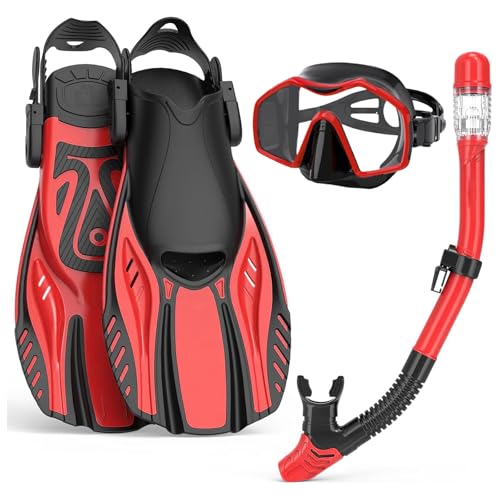
preserving your freediving gear for longevity and performance
Freediving is not just about the thrill of exploring the depths but also about the gear that supports your adventures. Proper maintenance is essential to ensure that your equipment remains in peak condition. In this guide, we will explore the best practices for preserving your freediving gear, ensuring both longevity and performance in your underwater pursuits.
Regular Rinsing and Drying
After each session, it is crucial to rinse your freediving gear with fresh water. Saltwater can cause corrosion and degradation over time, particularly to your wetsuit, fins, and mask. Use a gentle spray to ensure that all surfaces are thoroughly rinsed. After rinsing, hang your wetsuit inside out in a shaded area to dry. Avoid direct sunlight as it can damage the neoprene material. Ensure that your fins and masks are also dried properly, preferably in a well-ventilated space.
Storage Practices
Proper storage of your gear is key to maintaining its integrity. Store your wetsuit flat or hanging, avoiding any sharp folds that could result in creases. For masks, keep them in a protective case to prevent scratches on the lens. Fins should be stored in a manner that prevents bending; using a fin bag can help protect them during transportation and storage. Always keep your gear in a cool, dry place to avoid exposure to humidity, which can encourage mould and mildew growth.
People Also Look For:
- Supertrip Adults Dry Snorkel, Easy Breath Scuba Diving Snorkel with Splash Guard and Top Valve, Freediving Snorkeling Swimming Sno...
- Khroom Full Face Snorkel Mask Adults and Kids 3 + | Certified CO2 Safe | Alternative to Snorkel Set | Snorkelling Equipment - Seav...
- Udbrud Snorkel Fins, Diving Fins, Swimming Fins, Adjustable Swimming Flippers, Anti-slip Snorkeling Flippers, Short Snorkelling Sn...
- Inflatable Snorkel Vest for Adults, Portable Snorkel Jacket, Buoyancy Vest for Snorkeling, Swimming, Kayaking, Boating, Safety Loa...
- Zenoplige Snorkel Set Adults with Flippers, Snorkel Mask with Adjustable Swim Fins, Snorkelling Packages with Carrying Bag for Beg...
Inspecting for Damage
Regular inspections of your gear are vital for catching any signs of wear and tear early. Check for punctures, tears, or seams that may be coming apart in your wetsuit. For masks, ensure that the skirt is intact and free from cracks. If you notice any damage, it is best to repair or replace the item before your next dive. Small tears in wetsuits can often be repaired with neoprene glue, while mask skirts may need replacing if damaged.
Caring for Accessories
Your freediving accessories, such as snorkels and weight belts, also require attention. Rinse snorkels after each use, particularly the mouthpiece, to prevent build-up of salt and residue. For weight belts, check the buckles and clips for corrosion and functionality. It is a good practice to store weights in a dry environment to prevent rust. Additionally, consider using a soft cloth to wipe down any metal parts to keep them free of corrosion.
Maintenance of Diving Computers
If you use a diving computer, it is essential to maintain its functionality. Regularly check the battery status and replace it as needed to avoid any discrepancies during your dives. Clean the surface with a soft cloth after each dive, ensuring that there is no salt or sand residue left on it. Make sure to follow the manufacturer's instructions for updates and maintenance to keep your device performing optimally.
Wetsuit Care Products
Investing in quality wetsuit care products can significantly enhance the longevity of your gear. Use specially formulated wetsuit shampoos during rinsing to help maintain the neoprene’s elasticity and prevent odour. There are also conditioners available that can restore the suppleness of the material. Always follow the manufacturer's guidelines for the best results.
Seasonal Checks
Before the start of each freediving season, conduct a thorough check of all your gear. This includes inspecting for any signs of wear, testing the flexibility of your wetsuit, and ensuring that your fins and mask fit comfortably. It is also advisable to check your diving computer and any other electronic devices for functionality. Addressing any issues before the season begins will ensure that you have a safe and enjoyable diving experience.